

Making the Stone Stony
Making from Scraps | The Overlooked | A 100 Day Creative Practice | Day Seventeen

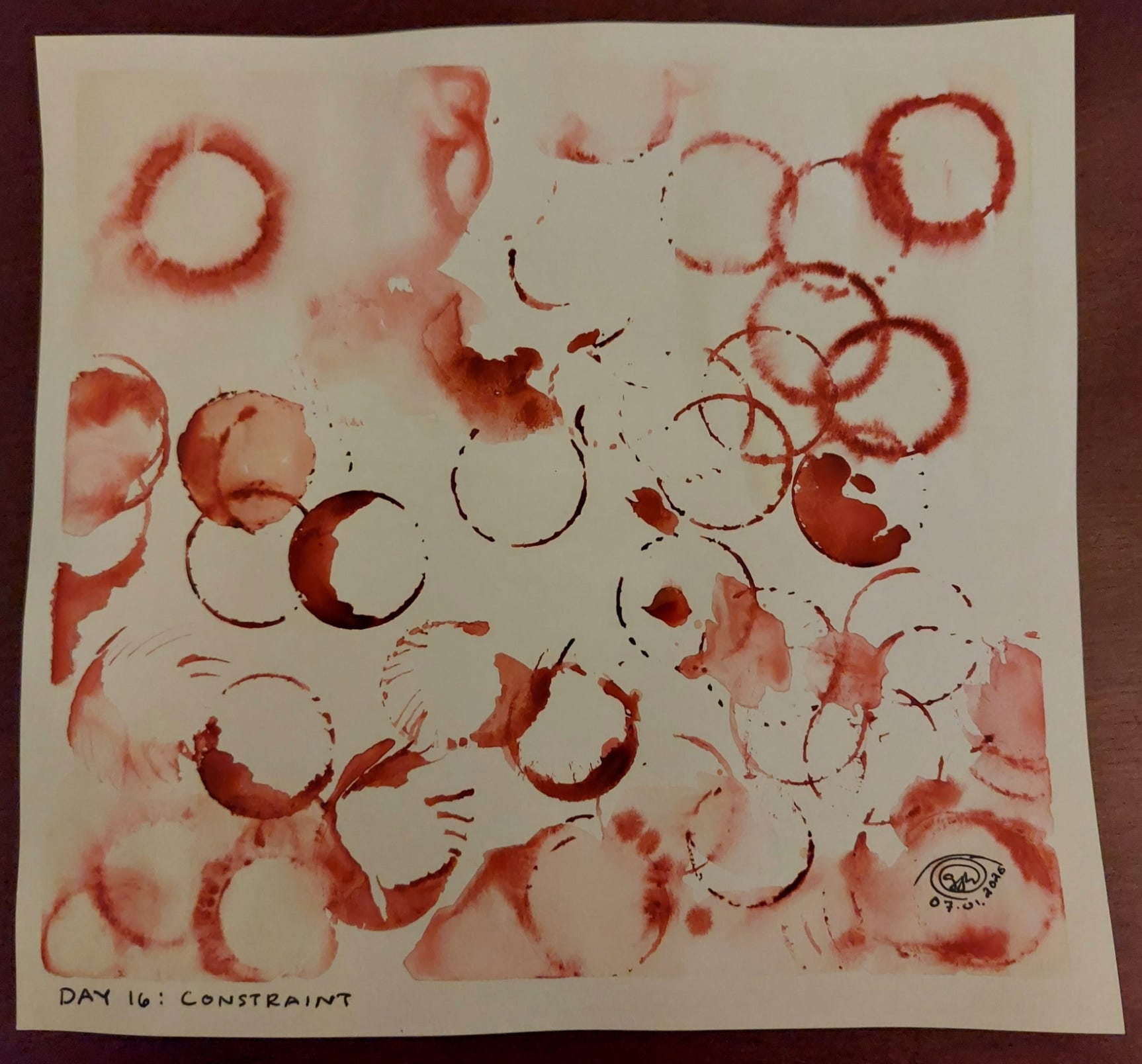
Join the project and chat if you haven’t yet! Here’s how: Join Jeannine Ouellette’s subscriber chat. Every day is a feast, and every day I share examples of your incredible art here in the 100 Day posts. It’s extraordinary.
Ostranenie—it’s a Russian word that may be one of the most important words a writer or artist can know. I’ve written about the concept many times before, because this word was coined in 1917 by the literary critic Viktor Shklovsky, in an essay called “Art as Technique,” and it is usually translated as “defamiliarization,” or simply “making strange.”
Shklovsky’s argument was this: habitual perception deadens us. Over time, the objects and people and places of our daily lives stop registering as real things we actually see — they become instead a series of recognitions, automatic and lightless, the brain filing them away without truly taking them in. He called this process “automatization,” and he described its creep with devastating precision: “Automatization eats away at things, at clothes, at furniture, at our wives, and at our fear of war.” We stop seeing. We merely recognize. And life, in this condition, fades—as he put it—“into nothingness.”
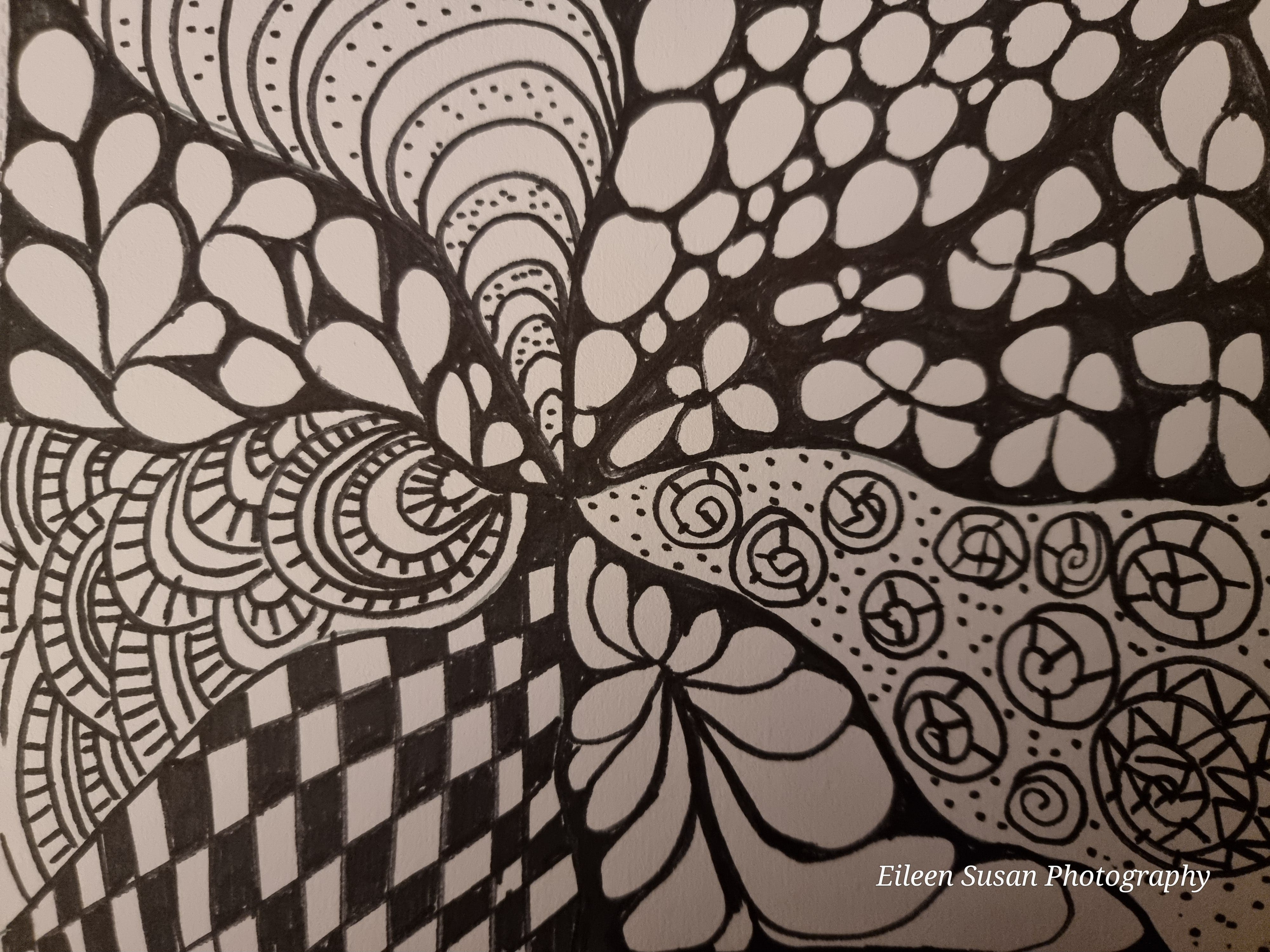
Art, Shklovsky argued, exists precisely to interrupt this process. Its deepest purpose is perceptual rescue—to give us back the sensation of the world as it actually is. “Art exists,” he wrote, “in order to give back the sensation of life, in order to make us feel things, in order to make the stone stony.” The technique of defamiliarization makes ordinary objects strange again—not bizarre or unrecognizable, but newly visible, returned to us as if for the first time, stripped of the glaze of habit. This is what the best writers do when they describe a familiar object with unusual precision. This is what painters do when they choose an angle no one uses. This is what we are doing, today, when we stop in front of the thing we always walk past and decide—for the first time, maybe—to really look.
The overlooked thing has been waiting. It has a patience we can barely imagine. When something has been there all along, it accumulates a quiet existence while we look through or around or past it entirely. What changes today is fundamental to our work as artists and our evolution as humans: it’s our