

She Wanted More
After Justin Torres

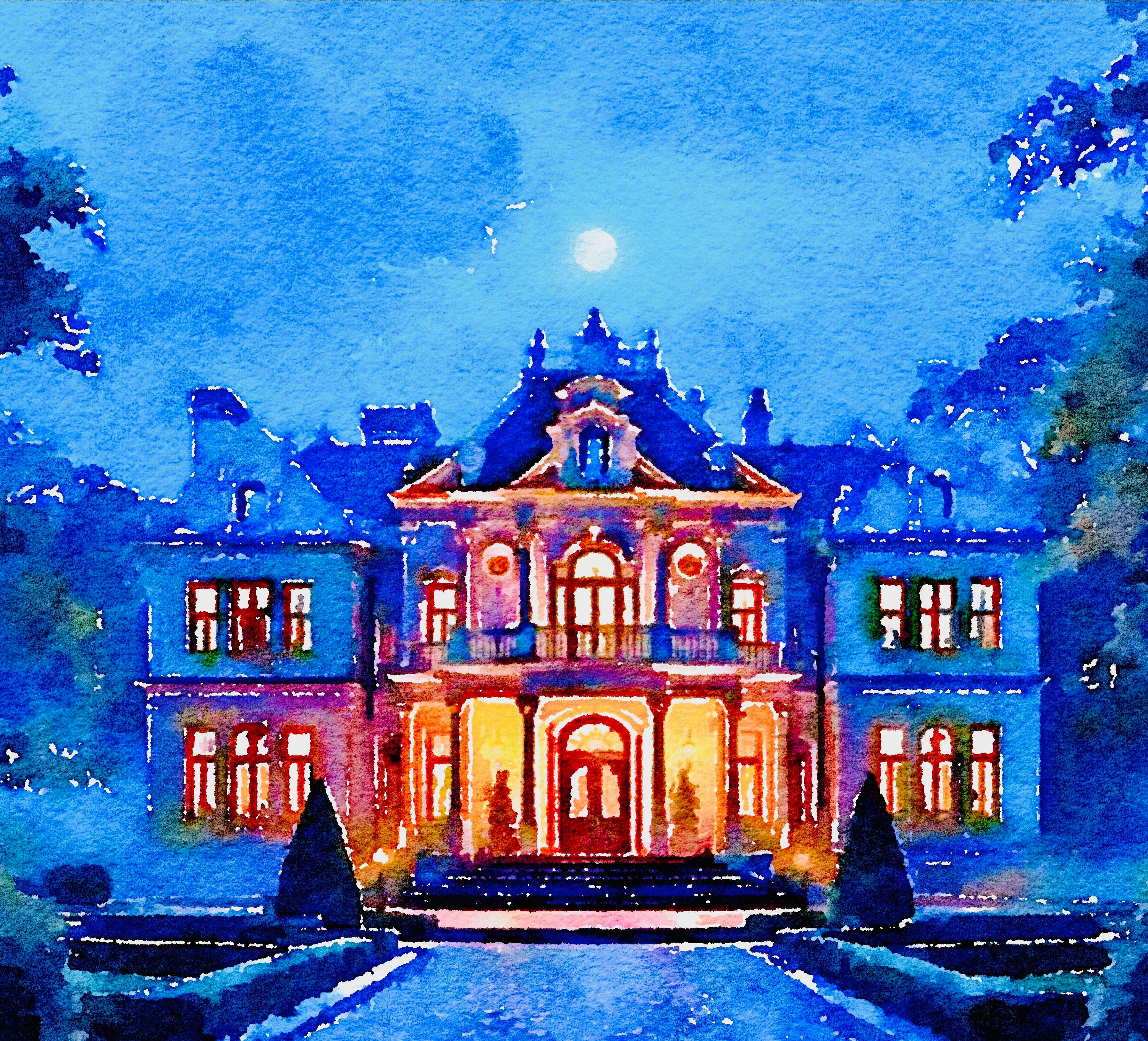
She wanted more. She wanted the youth she never had, wanted her parents back, the ones who died and left her alone still a child with all that wanting and nowhere to put it. She wanted a mother. She wanted someone to show her how. She wanted a marriage that didn’t end in wreckage, she wanted the life that was supposed to come after the wedding, after the babies, after the hard years—she wanted that life to arrive and it didn’t, not the way she’d imagined, not the way she’d been promised, so she sat with the wreckage and she wanted more.
She wanted me to bring her her True Blues and the ashtray. She wanted a dog, then another dog, then more dogs, then no dogs, and there went the dogs. She wanted an education, a new life, a door that opened onto something larger. She wanted her daughters to see how hard she had worked, to say we see you, we know what this cost. She wanted the mansions. She drove us along London Road in the cold, Lake Superior running iron-gray beside us, the windows twinkling on the hill like new stars, belonging to people who were not us, and she drove, and she looked, and I looked, and that was how she taught me to want more. That was everything she gave me.
I wanted her to want me. I wanted her eyes on me the way her eyes were on those houses—hungry, reaching, lit with dreams. I wanted to be the thing she drove toward. I wanted her to reach across whatever distance lived inside her, the grief of her lost parents, the grief of her lost marriages, the grief of the life she had once imagined and couldn’t find—I wanted her to reach across all of that and find me there. I waited. Sometimes I’m still waiting. I wanted my mother to want me and she could not quite do it, and that wanting—the wanting for the wanting that never came—became the deepest room inside me, the room everything else got built around, the room I write from still.
I wanted a life. I wanted the marriage and the children and the promises kept. I wanted a life without wreckage. I wanted to be a woman who did not break things, especially her children. I wanted to be good in the way that costs nothing. But, just like her, I wanted to breathe. I wanted to be alive and real. I wanted my real life, so I claimed it in the one way I promised I never would, then I broke that promise and watched the old life fall to ash at my children’s feet. I wanted to be forgiven for the wanting.
I wanted to be someone. I wanted mountains and great lakes and mighty rivers not as scenery but as recognition—the mountains and the white caps and the currents too strong for swimming to say, yes, here, this is where your body was always meant to be. I wanted to come home to a place that felt like mine in the bone.
I wanted to write. I wanted it the way she wanted the mansions—with longing and with fury and with not enough belief that I could have it. I wanted sentences that didn’t look away. I wanted to write the body, write the grief, write desire itself without making it pretty, without offering anyone any lesson at the end. I wanted the unresolved thing. I wanted to be fearless. I wanted to stay scared so I’d know I was alive. I wanted to be scared and write anyway. The fear was the material. I wanted the true thing. I wanted only ever the true thing.
I wanted writers around me who wanted the same. I wanted people willing to go into the dark and stay there long enough to find out what lives there. I want you. I want your wanting. I want the desire you've been too embarrassed to name, too tired to defend, too long without permission to pursue. I want us to write toward it together, without apology. She wanted more. She always wanted more, and she could not find the words, and she drove along London Road and she looked and she looked. She taught me to look. I’m looking for the words, always looking, sometimes finding. I want more. Come and want more with me.
WANTED
A writing intensive on desire
Desire is one of the most powerful and least examined forces in a writer’s life— and in the writing itself. We suppress and sanitize it, deny and excuse it, then write around it, embarrassed by how much we want, how fiercely we yearn, how little we can make the wanting behave.
WANTED is a Writing in the Dark intensive built around that hunger. We’ll write into desire in all its forms, our own and for the characters in our stories—desire for love, for recognition, for home, for the body, for time, for language itself—and we’ll ask what happens when we stop apologizing for needing things and start making art from the need itself. We’ll read writers who have gone there without flinching. We’ll write toward the things we’ve been circling.
This is for the writer who wonders what they’re holding back. For the essay that keeps stopping at the wrong place. For the story that’s been waiting a long time to be told truthfully. For anyone who has felt the difference between writing that performs desire and writing that is actually soaked in it.
Format: Six weeks here on Substack, with weekly Wednesday craft posts, writing exercises, and dynamic sharing in the comments
Access: Writing in the Dark paid members
Includes: Craft readings, one-of-a-kind structured exercises, community discussion
When: April 29- June 6
To join WANTED and all Writing in the Dark intensives, write-ins, open mics, and other community offerings, you’ll need a paid membership, which you can have for an entire year for less than a dinner out. Membership is what keeps this work alive, and I am deeply grateful.
Love,
Jeannine

Here's my 'wanted' piece:
We didn’t want for anything. Had a roof over our heads. Dinner every night at six. A mother and a father who didn’t drink. Suppers at six, the scraping of forks against corelle plates, the gnawing of teeth against chicken bone, lips sucking the knuckle end, looking for marrow.
We didn’t want for anything. Went to school in new shoes in Septmeber, had sleeves that reached the knobby bumps of our wrists. Spent Saturdays in the basement finding tools for my father while he growled words like Now! Hurry Up. What are you waiting for? Only my older brother knew the names for all the things on the workbench: the Phillips screwdriver, the Allen wrench, the right size nails.
Went to church every Sunday. Sat on the slippery pews. Flipped through the gilt edged book. Ate buttered ham sandwiches and tea for lunch. Sometimes on special days there’d be a box of jelly donuts from Rexall Drugs. We ate them whether we liked them or not because we knew they were special. Sometimes neighbors called to see if we needed more food. I felt surprised that we were noticed. That someone thought of helping us. The truth is we were starving, but we didn’t know what for.
Of all the WITD intensives, this is the one that speaks to the very core of me, the one I’ve been waiting for, the one I am ready — more ready than I’ve ever been— to walk into, curious, unafraid of all my ungainly yearning. This essay was extraordinarily beautiful (as ever) and I wish for you your mother had wanted you the way all children want to be wanted and loved. But you are loving yourself in all the ways she couldn’t and inviting us to do the same. Especially loved this passage: “I wanted sentences that didn’t look away. I wanted to write the body, write the grief, write desire itself without making it pretty, without offering anyone any lesson at the end. I wanted the unresolved thing. I wanted to be fearless. I wanted to stay scared so I’d know I was alive. I wanted to be scared and write anyway. The fear was the material. I wanted the true thing. I wanted only ever the true thing.” I want that, too. 💗